Recruiting in Vietnam: Practical Lessons Shared with GLG in Singapore
Kelvin Ngo’s training session with GLG’s Singapore team explored how professional credibility, targeted sourcing and thoughtful outreach support recruiting in Vietnam.
Kelvin Ngo ·
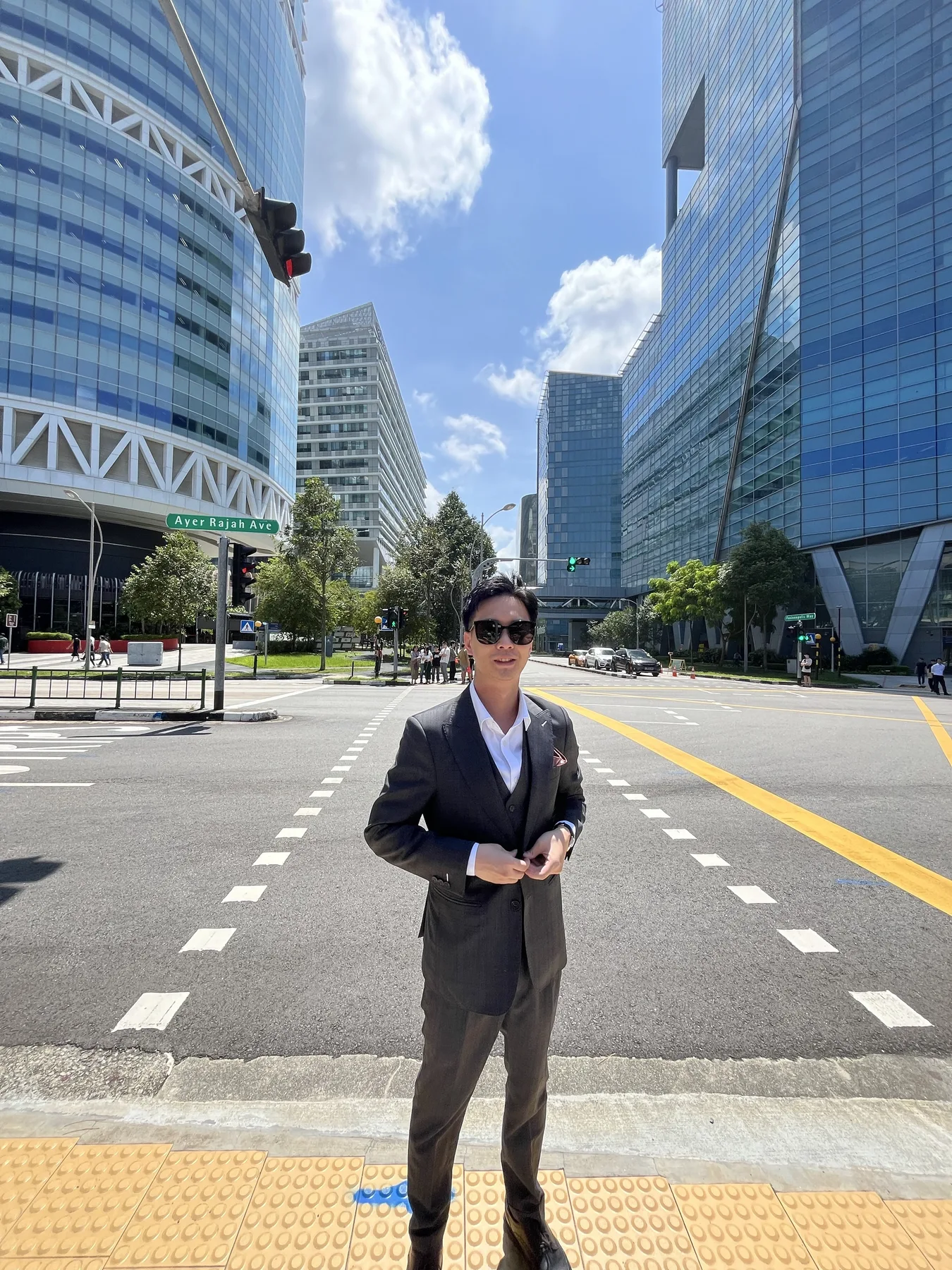
Recruiting in Vietnam starts with understanding people
Kelvin Ngo’s training session for GLG’s team in Singapore brought together practical approaches to finding and engaging talent in Vietnam. Based on the deck “Recruiting Best Practices in Vietnam,” the session connected three areas that recruiters often treat separately: professional presence, candidate sourcing and relationship-building.
The central lesson was that access to a profile is not the same as access to a person. Search tools can identify potential candidates, but credibility, relevance and trust determine whether those people are willing to have a conversation.
A professional profile should explain the value of connecting
The LinkedIn section focused on making a recruiter’s expertise easy to understand. A clear profile, a purposeful headline and relevant keywords help others see what the recruiter does and why a connection might be useful. Profile quality matters both when someone discovers the recruiter through search and when a candidate checks the sender of an outreach message.
Kelvin’s material also treated network growth as a deliberate activity. Adding connections without a plan can produce a large but poorly matched audience. A more useful network reflects the industries, functions and professional communities relevant to the search. Relevant content and consistent interaction then give those connections a reason to remain engaged.
LinkedIn, in this approach, is not simply a place to leave a résumé or publish a vacancy. It is a working network that requires participation: sharing useful perspectives, responding appropriately and maintaining professional conversations beyond a single hiring need.
Good outreach gives the recipient a clear reason to respond
A major part of the session addressed messaging. Generic greetings and indiscriminate mass outreach ask the recipient to do the work of discovering why the message matters. Research and personalization reverse that burden: the recruiter explains the relevance from the start.
The deck’s guidance can be organized around four practical questions:
- Who is making contact? Introduce the sender and establish a credible professional context.
- Why this person? Connect the approach to the recipient’s experience or expertise rather than using a reusable compliment.
- What is the purpose? Explain the opportunity or subject clearly enough to make an informed conversation possible.
- What happens next? Offer a straightforward way to continue the discussion without demanding an immediate commitment.
The material favored a compelling, relevant opening over a long sales pitch. It also warned against disclosing every detail in the first message. The aim is to provide enough context to invite a genuine exchange—not to create artificial mystery or pressure the recipient into replying.
Social presence needs both consistency and a human voice
The Facebook section considered how personal and professional identities affect credibility. The deck discussed separating personal and work profiles where appropriate, keeping professional content and images consistent, and avoiding a presence that feels entirely transactional.
For recruiters, this balance matters because contacts may encounter their profile before speaking with them. Useful content, considered comments and appropriate participation in professional discussions make the profile more informative than a feed composed only of vacancy announcements.
Shared connections can also help reveal relevant professional circles. However, the value comes from understanding the network and interacting respectfully, not from treating every mutual contact as an automatic endorsement.
Use local channels as part of a broader sourcing plan
The deck identified VietnamWorks, Zalo, specialist communities, networking events and referrals as examples of routes into Vietnam’s talent market. These examples are not a universal ranking of platforms. The right mix depends on the role, industry and people being approached.
The session’s relationship-focused approach encouraged recruiters to understand where relevant professionals gather, which communities they trust and how introductions can be made naturally. A referral may help open a conversation, but it does not replace independent assessment of the candidate’s experience or fit.
When LinkedIn alone does not provide enough information, market mapping, Boolean searches on other relevant sites and introductions through professional acquaintances can broaden the search. Direct outreach should remain transparent, respectful and appropriate to the context.
Different candidate groups require different conversations
The material raised several Vietnam-specific search situations: approaching leaders from state-owned businesses, overseas Vietnamese professionals, expatriates, candidates moving between foreign and Vietnamese companies, and people crossing industry boundaries.
These situations underline why one outreach template cannot serve every search. The recruiter needs to understand the candidate’s professional context before presenting an opportunity. A move between company types or industries may involve different expectations, responsibilities and concerns; those differences should be explored rather than assumed.
For overseas Vietnamese and expatriate candidates, the discussion likewise needs to go beyond identifying a matching job title. The purpose is to understand the person’s experience and interest in the opportunity, without presuming that a connection to Vietnam or an international background automatically makes the role suitable.
Executive engagement depends on preparation and trust
The section on C-level networking emphasized clear purpose, an informed perspective and the ability to discuss broader business issues. Senior leaders are more likely to find a conversation useful when the recruiter understands their context and brings something relevant to the discussion.
Market mapping supports that preparation by showing where expertise sits and which professional relationships may lead to a credible introduction. The deck also linked engagement and cold calling with preparation and a sincere, people-centered approach.
Trust is built through the quality of interactions. Careful follow-up, useful information and respect for the other person’s time can support a longer-term relationship. Referrals should be an outcome of credibility, not something treated as an entitlement after a first contact.
The practical takeaway for recruiting teams
The GLG session presented recruiting as a connected process rather than a set of isolated platform tactics: establish a credible professional presence, map the relevant market, choose channels deliberately, personalize outreach and maintain relationships beyond the immediate search.
Tools can make discovery faster. The recruiter’s judgment determines who to approach, how to make the conversation relevant and whether trust is sustained. That combination of structured search and human engagement is the lasting value of the session.
Based on Kelvin Ngo’s training deck, “Recruiting Best Practices in Vietnam.”